


 EN
EN
The recent surge in Somali piracy is disrupting global shipping and supply chains. Discover how these new hijackings are impacting trade and freight costs.
The Resurgence of a Familiar Maritime Threat
The sudden return of Somali piracy is creating massive headaches for the global shipping industry right now. As commercial vessels reroute around the continent of Africa to avoid the ongoing Middle East conflicts, particularly near the Red Sea and the Strait of Hormuz, they face a very familiar danger. This massive detour adds several weeks to transit times and forces heavily loaded ships to navigate directly past the Horn of Africa. Unfortunately, this specific coastal stretch is where criminal hijackings historically reached their dramatic peak back in 2011.
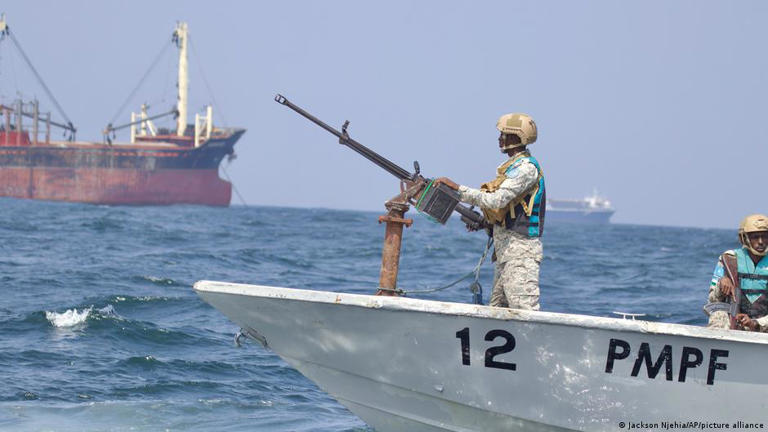
Criminal networks are now taking full advantage of the chaotic international security landscape to launch fresh attacks on unsuspecting vessels. In just the past few weeks alone, three major ships—including the Honour 25 and Eureka oil tankers—have been seized by armed groups. Security experts warn that the alarming revival of Somali piracy is heavily tied to the fact that international naval patrols are currently stretched incredibly thin, leaving vast stretches of the western Indian Ocean highly vulnerable to these well-organized syndicates.
How Criminal Groups Execute High-Seas Hijackings
Understanding the specific tactics behind Somali piracy is absolutely crucial for modern maritime security and global trade defense. Today’s pirate networks are exceptionally well-funded and highly organized, operating primarily out of semi-autonomous coastal regions like Puntland. To carry out their bold operations, these groups seize large traditional fishing vessels, locally known as dhows, and cleverly repurpose them as deep-water mother ships. These floating bases allow the criminals to remain at sea for extended periods, stocking up on heavy weapons, essential boarding equipment, and advanced navigation kits.
More Read

According to leading maritime data analysts, the surprising success of this new wave of Somali piracy relies heavily on targeting vulnerable commercial ships that simply fail to adopt the industry’s best security measures. With a massive influx of rerouted commercial vessels passing through the region to avoid the dangerous Bab el-Mandeb Strait, attackers have a much wider and highly lucrative pool of targets. This dynamic makes the current maritime threat more severe than it has been in years, demanding immediate strategic attention from multinational naval task forces.
Rising Costs and the Future of Ocean Freight
© Subrata Dey/ZUMA/IMAGO
The severe economic impact of the recent Somali piracy strongly threatens to disrupt global trade significantly in the coming months. The international maritime shipping industry is already grappling with soaring fuel costs and massive insurance premiums due to the extended, thousands-of-miles routes around the Cape of Good Hope. If the security situation continues to escalate without intervention, shipping experts confidently warn that freight rates will skyrocket even further, placing immense financial pressure on worldwide supply chains and ultimately impacting everyday consumers.
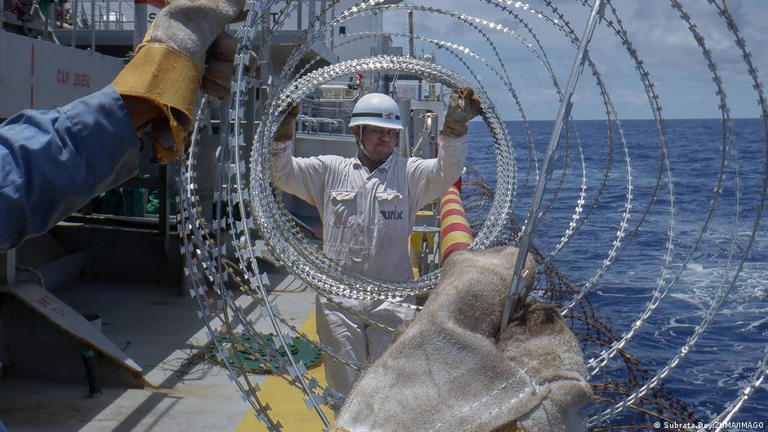
Historically, the devastating financial damage from Somali piracy reached roughly seven billion dollars annually, factoring in the steep cost of military escorts, additional fuel for faster travel, and onboard private security. Furthermore, recent shifts in international development funding have sharply reduced critical poverty-alleviation programs in coastal African communities, which researchers believe may be driving more desperate young men toward criminal activities. To combat this growing menace, maritime authorities strongly advise shipping companies to avoid specific territorial waters completely and consistently deploy armed guards, a defensive strategy that has proven highly effective.
Development Funds To Somalia Cut
While the Iran war created a useful distraction for the pirates, a shift in Washington’s policy toward East Africa may have also played a role in the resurgence of piracy. For years, the US funded development projects in Somalia — especially in coastal communities — to reduce poverty and stop young men from joining pirate groups. Under the current Trump administration, however, nearly all non-security development aid has been suspended. Washington has instead focused on direct counter-terrorism operations against the Islamist militant group al-Shabab.
“When you reduce those resources, the intelligence network and maritime patrols don’t have the same capability to work from.” Burchall Henningsen lamented.
Maritime organizations have, meanwhile, advised shipping firms to avoid Somali territorial waters, including ports. The deployment of armed guards onboard is also highly effective against pirate attacks, they say.
“There has never been a successful hijacking of a ship [off Somalia] with armed guards on board.” Burchall Henningsen added.